
Another successful membership year
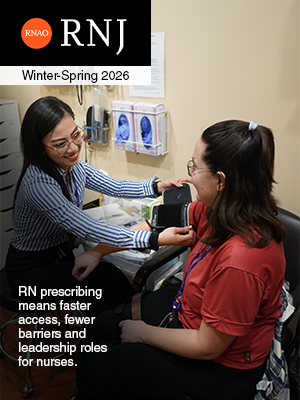
RNAO closed out its 2023/24 membership year on Oct. 31, 2024, with an impressive 54,400+ members strong. The current 2024/25 membership year marks the association's 100th anniversary. Members are integral to celebrating this milestone and continuing the legacy of action and impact that has drawn so many to join throughout the association’s history. We encourage all RNs, NPs and nursing students to be members of RNAO.

RNAO marks Remembrance Day 2024
RNAO members traditionally lay wreaths each year at cenotaphs and city halls across the province to honour soldiers and the nurses who took care of the wounded during various wars and conflicts.
On Nov. 11, 2024, Region 4 board member Poonam Sharma (left) laid a wreath on behalf of Ontario nurses at the Town of Caledon's Remembrance Day ceremony. RNAO President NP Lhamo Dolkar also represented the association and its members at a Remembrance Day ceremony in the Memorial Gardens at Toronto's East York Civic Centre.
Government’s plan to gut and prohibit harm reduction programs will lead to more deaths
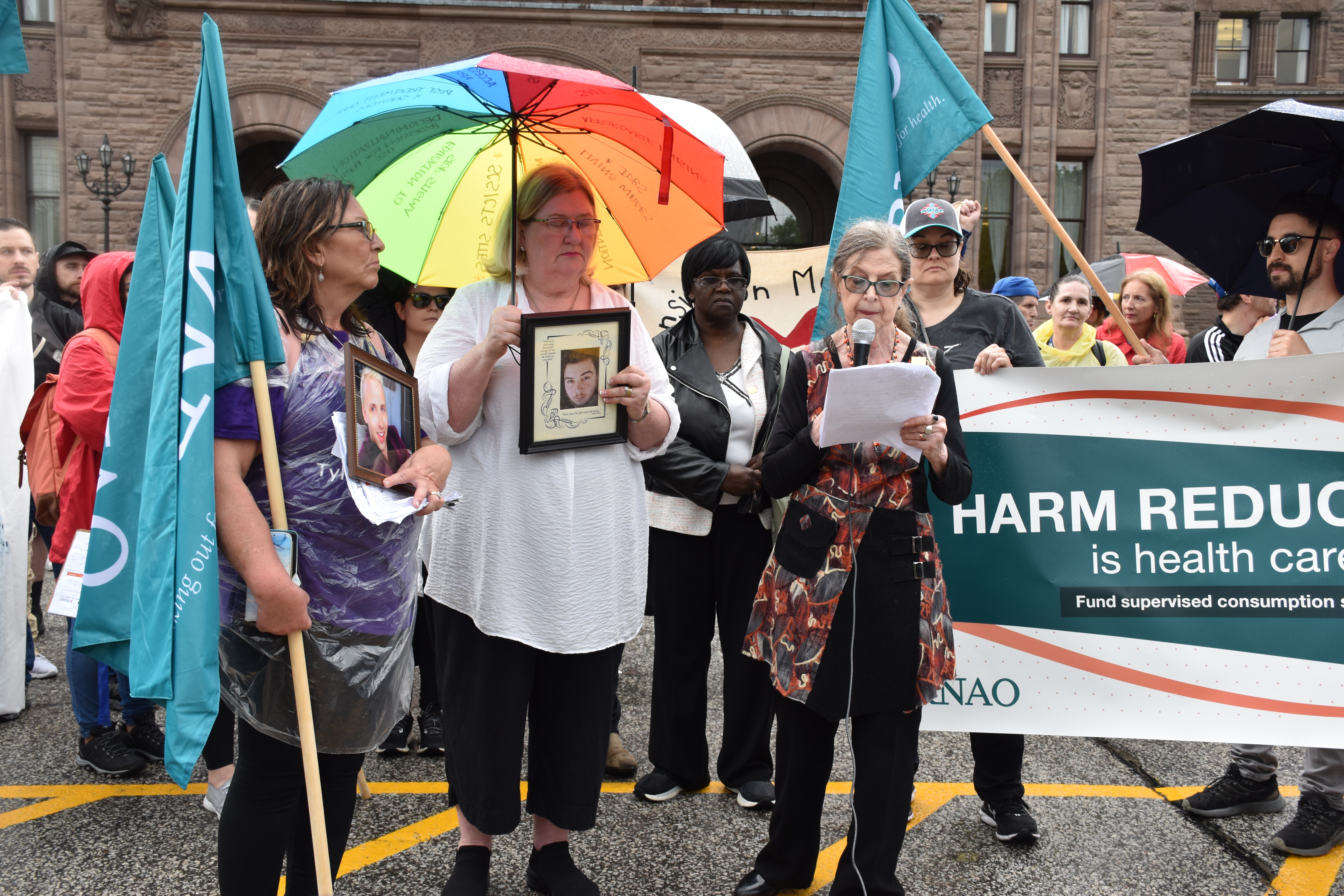
Following an announcement from Ontario’s Minister of Health that the province will close 10 supervised consumption services (SCS) sites across the province, RNAO CEO Dr. Doris Grinspun told CBC News’ Power & Politics (Aug. 20) that more people will die and communities will be overburdened. “The government knows very well that not everybody is ready for treatment,” Grinspun said. And while RNAO welcomes the newly announced Homelessness and Addiction Recovery (HART) Hubs, as these will provide mental health and social services, “…we were expecting also an expansion of SCS and CTS (consumption treatment services).” The closure of these 10 SCS sites means persons will be using substances alone in alleyways, and that’s a death sentence for them, given the high level of toxic drugs circulating, Grinspun said. Drug toxicity killed 3,800 people in 2023, and that number will go up in 2024, she warned. In addition to more deaths, the decision to exclude SCS and needle exchange from the new HART hubs will lead to a rise in HIV and hepatitis C infections, as people will be injecting with used needles, which will be left in our streets, parks, coffee shops and parking lots, thus also making communities more unsafe. The failed policy will place a burden on paramedics and emergency departments. “It will cost a fortune in taxpayers dollars,” Grinspun said, noting the already overburdened health system will soon deal with a higher influx of people in crisis. “My heart sunk (at the news),” said RN Hannah Stahl, who works at an SCS site and co-leads Toronto’s Street Nurses Network. “When people fall through the cracks of the system, this (SCS) is what caught them,” she told the Toronto Star (Aug. 20).
Sign RNAO’s Action Alert calling on Premier Doug Ford to withdraw his plan to gut and prohibit SCS sites in Ontario. And read more in Grinspun’s Conversations with Members in this issue.
RNAO celebrates Pride
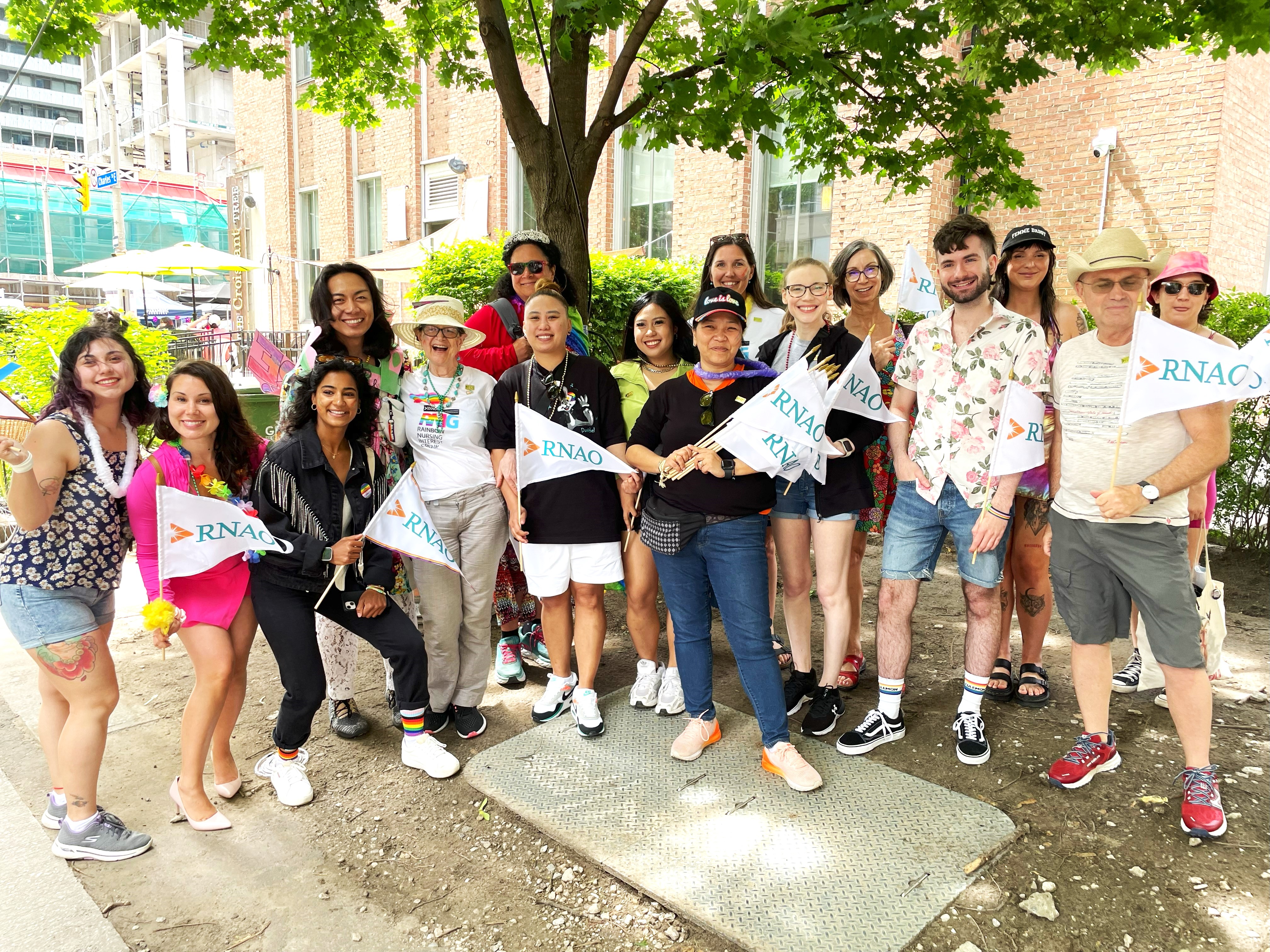
RNAO and members of the Rainbow Nursing Interest Group (RNIG) marched in Toronto’s Pride Parade alongside tens of thousands of other attendees to celebrate 2SLGBTQI+ communities (Two-Spirit, lesbian, gay, bisexual, trans, queer, intersex, and other sexual and gender minorities). “Thank you to everyone who participated in Pride festivities and who continue to advocate for equity, diversity and inclusion in health care and beyond,” said RNAO CEO Dr. Doris Grinspun, who took part with NP President Lhamo Dolkar on June 30. Pride month may have ended, but RNAO remains committed to working with members of 2SLGBTQI+ communities to improve health access and advance safe, appropriate care for all. Visit RNAO's Pride 2024 Portal, the 2SLGBTQI+ In Focus page on the website, and download your free copy of the best practice guideline: Promoting 2SLGBTQI+ Health Equity.
Earlier this year, RNIG asked its members to share personal stories to raise awareness of the challenges they face in their practice and providing care. Read Queer nursing: Stories of thriving 2SLGBTQI+ care providers. These are the first in a series of stories that will be published in RNJ and the RNIG newsletter.
New data shows Ontario’s nursing shortage is getting worse
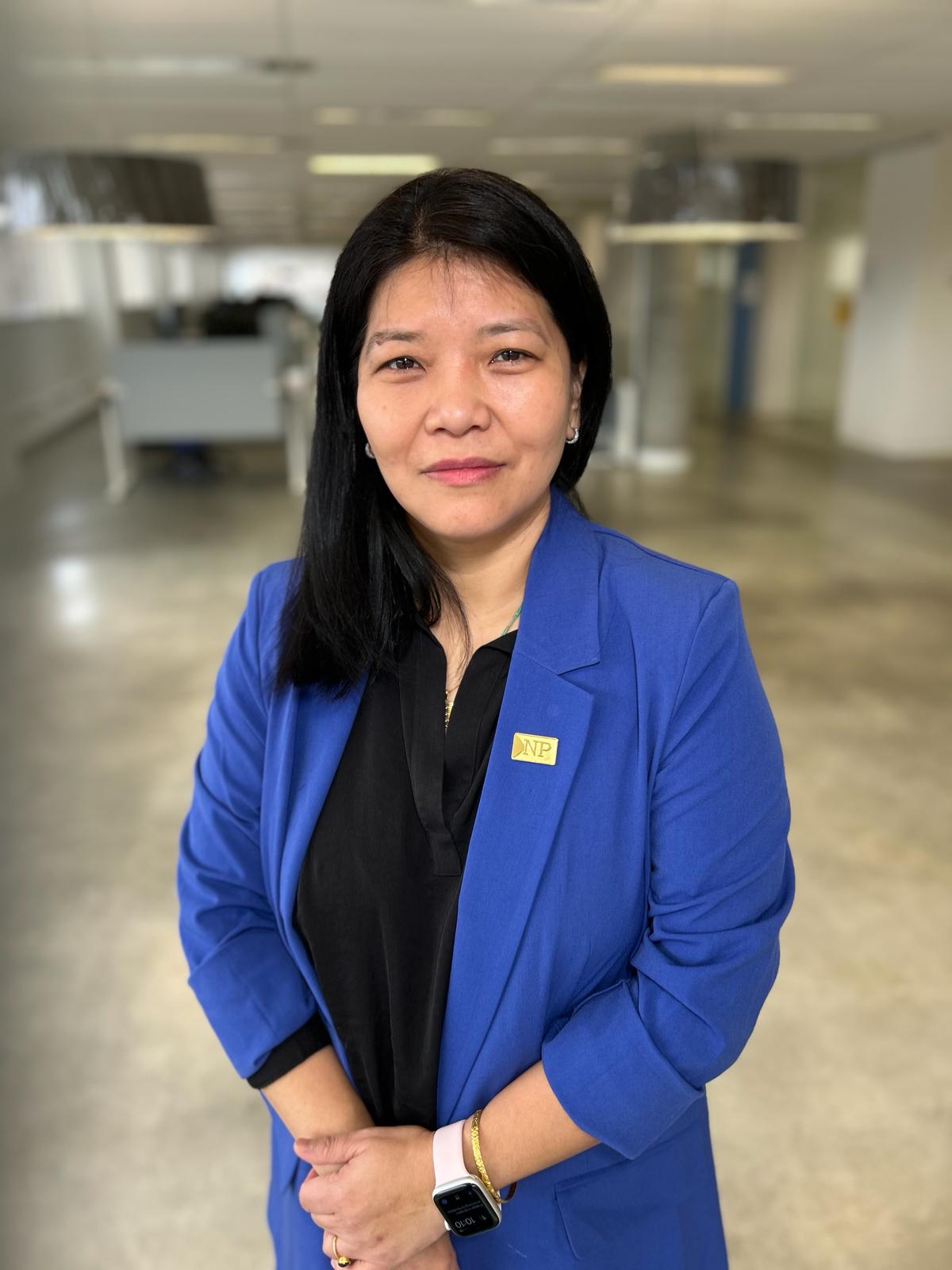
A report by the Canadian Institute for Health Information (CIHI) reveals worsening nursing workforce trends in Ontario. The province now needs 26,000 additional RNs to catch up to the RN-to-population ratio in the rest of Canada. The gap between Ontario’s ratio and that of other provinces and territories has widened three per cent since 2022. “We need more RNs across all sectors working full-time at full scope, providing direct care to Ontarians,” RNAO President NP Lhamo Dolkar said in RNAO’s media release response to the troubling news (July 25). In a follow-up interview with 570 News (July 29, starting at 1:12 in the program), Dolkar reiterated what RNAO has said for years. “This is the ninth consecutive year that Ontario has had the worst RN-to-population ratio.” Dolkar also said the nursing shortage “has been an ongoing issue. We have to focus more on harmonizing the wage upwards across all sectors.” Compensation is important, she said, but not the only issue. She also addressed the need for safer working environments, healthy work-life balance, full-time opportunities and mentorship as vital to retaining and recruiting more nurses.
More support, less stigma saves lives
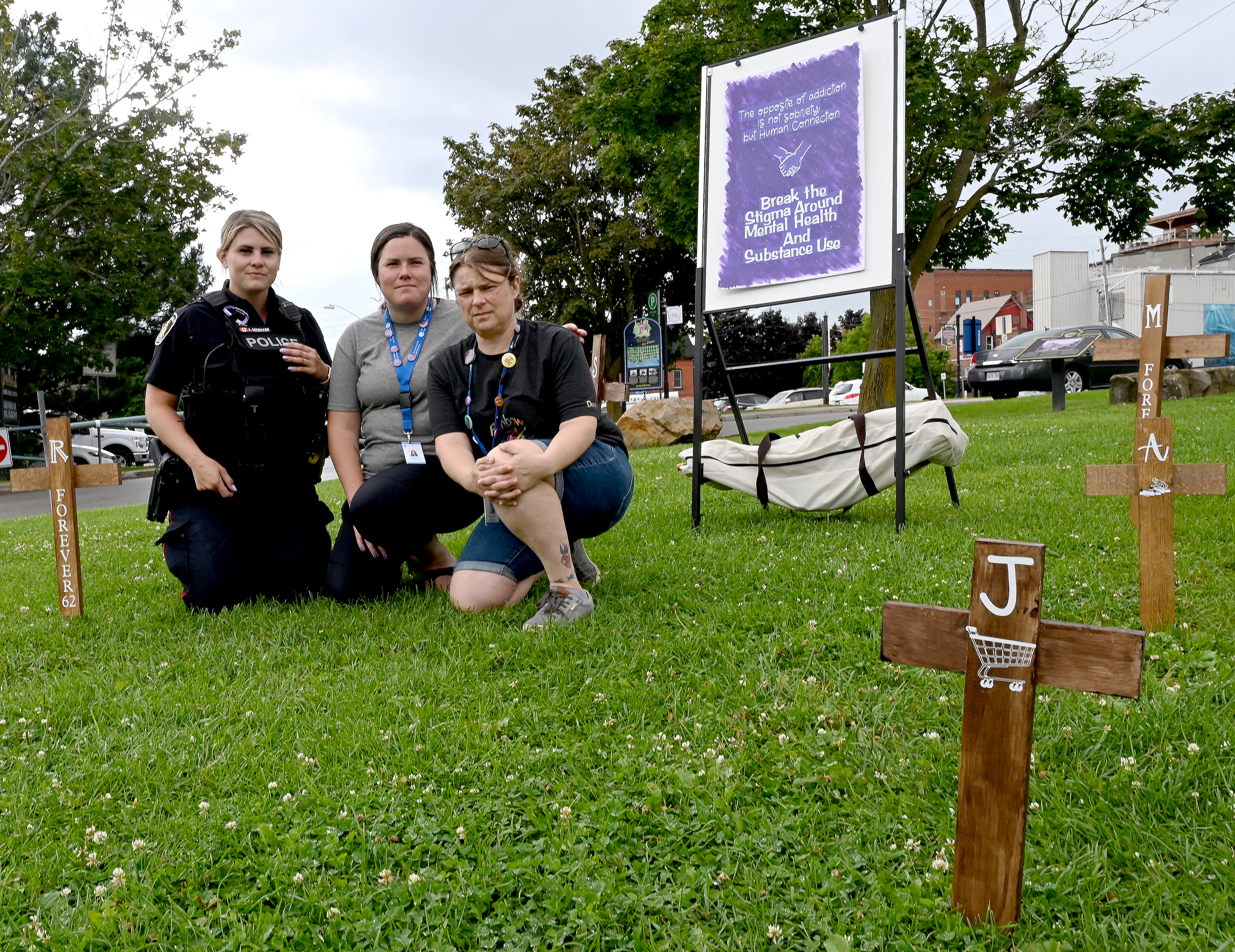
A community forum held in Brockville on July 25 brought together organizations working to support people struggling with mental illness, substance use and issues such as homelessness. The forum, which included a number of booths, was organized by Rideau Community Health Services, in partnership with the Brockville Police Service. A handful of crosses were planted in the grass to honour the lives of local residents lost to mental illness or substance use. RN Andrea Keller’s son Tyler died from overdose in March 2017. He was 26. “There are services around, but if you talk to (people representing them at the forum), every single one of them, they’ll tell you we need more,” Keller said. Amber Gilmour, a community health RN who works at Rideau, said they didn’t have enough crosses to mark all of the lives lost. “There’s a lot of shame and stigma,” she said. “People don’t always get the chance to be remembered.” (Brockville Recorder & Times, July 26)

Clinic sees drop in overdose thanks to safer-supply program
The Peterborough 360 Degree Nurse Practitioner-Led Clinic has seen a major reduction in overdose deaths since introducing its safer-supply program in 2022. A June 2024 report published by the clinic revealed a 79 per cent decrease over the previous six months compared to the first six months of the program. Approximately 86 per cent of the 30 individuals surveyed reported using less or no fentanyl after 12 months in the program, with half of those reporting a reduction in use and the other half reporting abstinence. NP lead and clinic director Kelly Pensom said: “This program has highlighted the positive impacts on the health and wellbeing of people who use drugs when their care is embedded within a destigmatized primary care team dedicated to trauma informed harm reduction.” The Peterborough program is one of 25 pilot programs funded by Health Canada (Global News, June 13).
RNAO member is new minister of long-term care
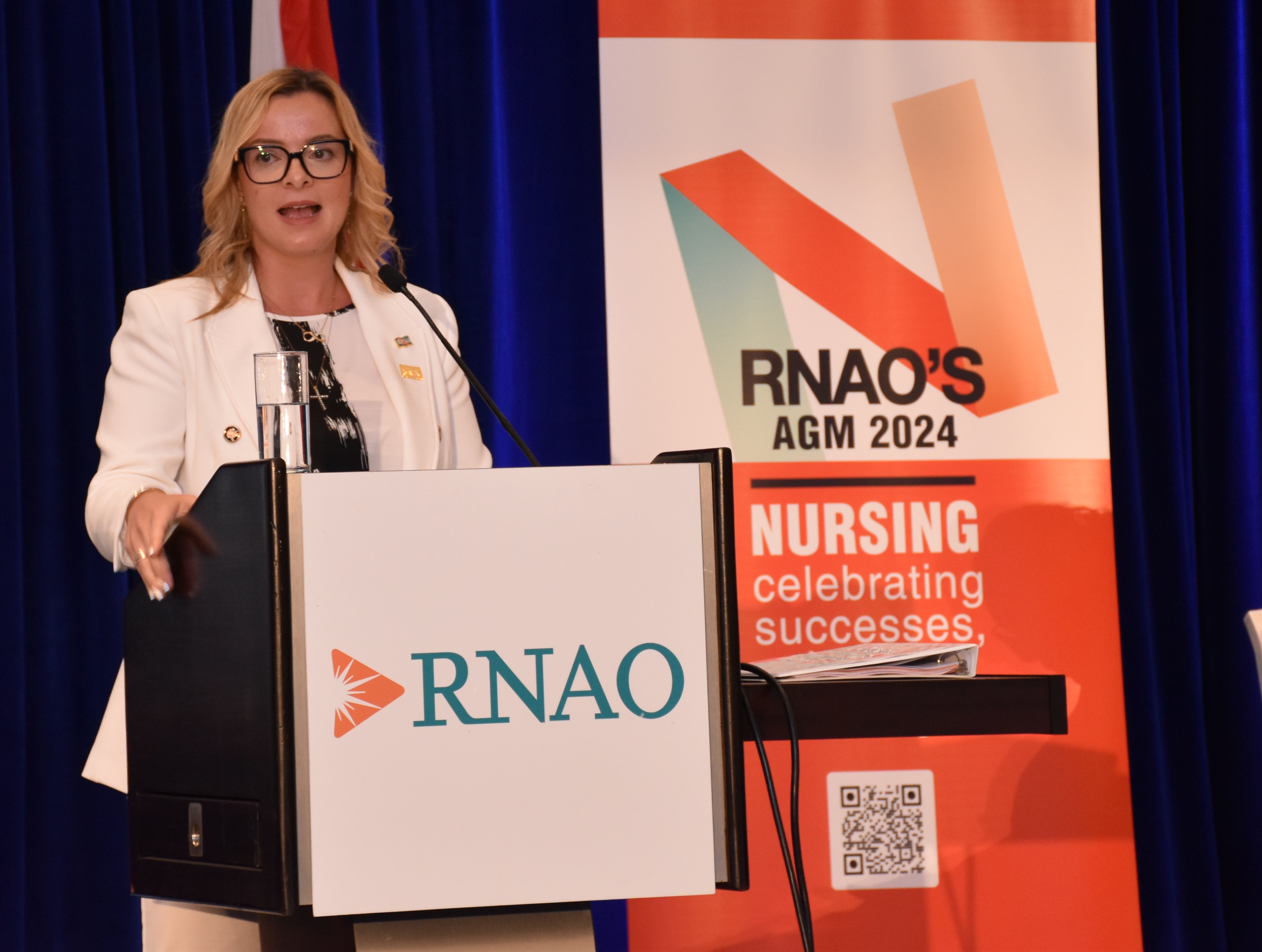
RN and MPP Natalia Kusendova-Bashta became Ontario’s Minister of Long-Term Care after a cabinet shuffle announced on June 6. Kusendova-Bashta, a proud RNAO member, had previously served as the parliamentary assistant to her predecessor Stan Cho. At RNAO’s AGM, she reminisced about attending her first political event as a nursing student, and described how it inspired her to pursue a career in politics. “The very first time I went to Queen’s Park was with Dr. Doris Grinspun…as a student…I fell in love with it…I fell in love with the incredible advocacy work that nurses do,” she told colleagues at the AGM opening ceremony. Kusendova-Bashta said she believes health should be considered in every government policy. In her role, she wants to ensure seniors have the quality of care they deserve. “I realize all the challenges that lay ahead,” she said about fixing long-term care. “And I find comfort in the fact that I have incredible leaders and experts, many of you in this room (at the AGM) who will guide me, as you have in the past.” We need more nurses across the continuum of care, she said, including and especially in long-term care. More NPs in long-term care “is how we will build capacity,” she said. Read more about NPs in NPs improve access and equity of care across Ontario.

Sudbury program eases loneliness in older adults
An innovative program in Sudbury is connecting older adults with children through intergenerational storytelling. Public Health Sudbury and Districts partnered with The Older Adult Centre to host GrandPals, an idea developed in Canada, at the local public library. The aim is to tackle the issue of isolation. “It’s neat to find a program like this established in Ontario,” said public health RN Larysa Vares. “We had three GrandPals (older participants) and each week we had eight to 12 children attend. Each GrandPal was paired with three to four young people every week,” Vares explained. The goal is to keep the children with the same senior every week so they can form a bond over the span of the seven weeks. “At public health, we have a role to play in healthy aging for older adults. We look at ageism and social isolation particularly. Those are two big societal issues,” Vares said. (Sudbury Star, May 15)
Supporting international RNs to practice
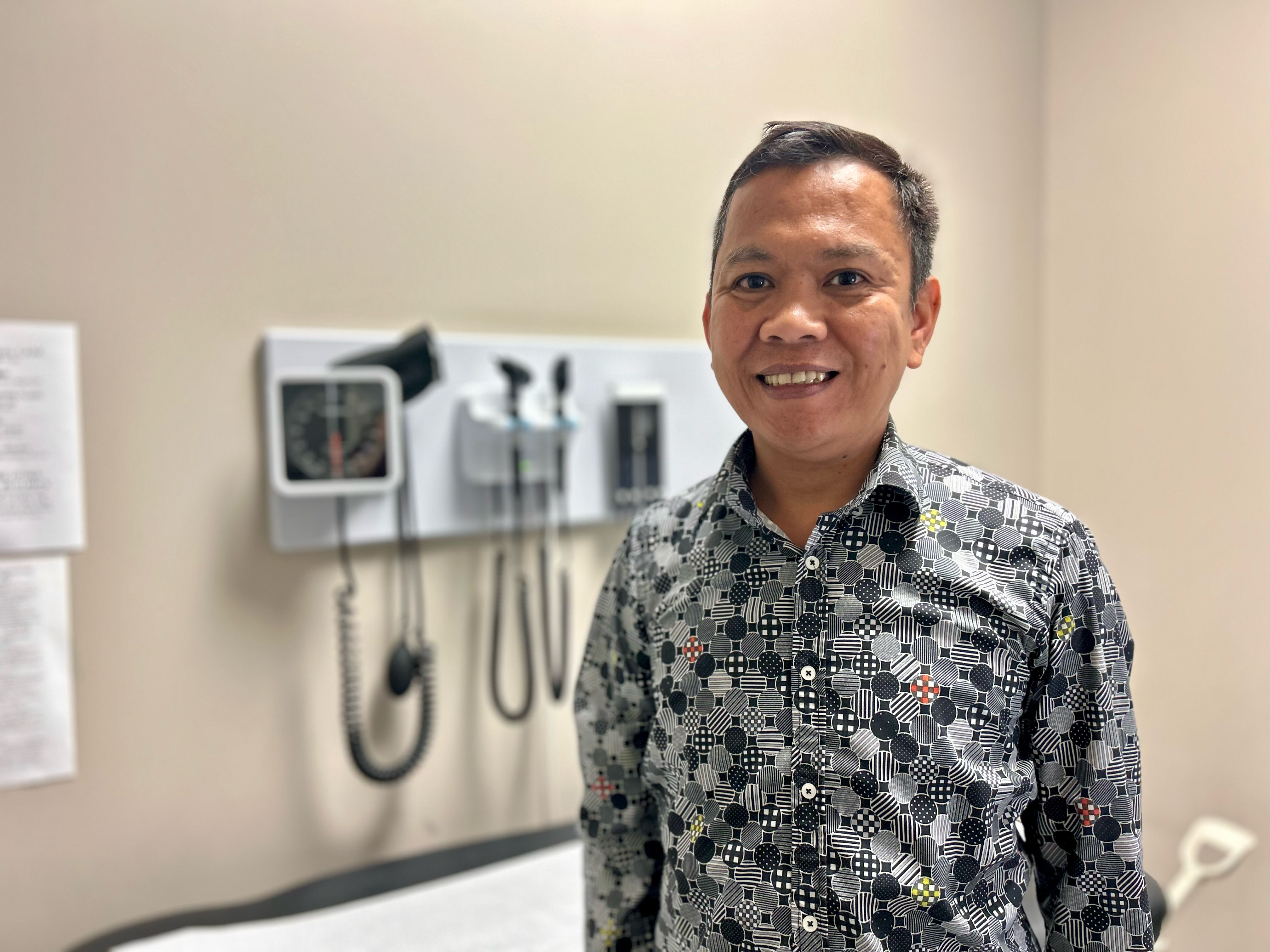
A Brampton hospital is making strides to integrate more internationally educated nurses (IEN) into its workforce. William Osler Health System launched a Supervised Practice Experience Partnership (SPEP) program two years ago to help IENs who are going through the nursing registration process and need to satisfy two of the requirements: evidence of practice and language proficiency. RN Manpreet Gill took part in this program and says it helped her get licensed and land a “dream job.” She described the experience to the Brampton Guardian (May 12) as “…very different than back in India. Here we are using different equipment. Osler gave me the opportunity to learn the hospital structure and how to work (as a nurse) in Canada.” Her experience is not indicative of every IEN’s experience in Ontario. RN Emil Patricio, who currently practises in Guelph, had to travel to Alberta and pay $7000+ out of pocket to be licensed before moving back to Ontario. “People from the Philippines are known for health care…our education there as a nurse is very comprehensive,” he said, acknowledging that he was disappointed by the challenges he faced. Patricio spent a decade volunteering at local hospitals and working as a PSW while working towards his recertification. RNAO CEO Dr. Doris Grinspun acknowledged that although RNAO is not the regulatory body, she apologizes “…on behalf of the profession to every single internationally educated nurse who is going through hurdles that are absolutely preventable.” RNAO continues its support and advocacy for IENs, and created a discounted category of membership – IEN associate – for those who reside in Canada but are not yet registered to practise. (CTV News, June 5)