Discharge lounge to ease overcrowding
Tackling hospital overcrowding is never easy, but Carol Young-Ritchie, vice-president and chief nursing officer for London Health Sciences Centre (LHSC), is looking to a new discharge lounge as a potential solution. In January, LHSC’s University Hospital opened the new lounge to get home-bound patients out of in-demand beds while they’re waiting for rides. “The main goal of this is to help us with our access and flow issues,” says Young-Ritchie. “We certainly want to move patients through our system as quickly as we can…(and the space) helps us to clean the bed faster and get the next patient who needs acute care into that bed.” The lounge is open from 7 a.m. to 7 p.m., seven days a week, and is staffed by a registered nurse and other allied health professionals. As part of the three-month pilot project, managers will evaluate how effective the lounge space is at getting new patients in beds faster. (The Chatham Daily News and London Free Press, Jan. 5)
Sault Area Hospital promotes senior-friendly strategy
Hoping to promote good health among seniors, the Sault Area Hospital (SAH) has launched a pilot project as part of Health Quality Ontario’s IDEAS (Improving & Driving Excellence Across Sectors) program. Patients arriving on the hospital’s medical units are given a baseline functional assessment to identify gaps in their health. Staff then develop a care plan that fits the needs of each patient. “We can then evaluate the patient’s progress and make further adjustments if necessary in order to meet the patient’s goals,” says RN Monique Kevill, patient care manager. Some of the strategies used to prevent functional decline in seniors include getting patients up for meals, minimizing the use of commodes, bedpans, and catheters, and providing patient education. “Ultimately, our goal is to enable seniors to maintain optimal health while they are hospitalized so that they can return to their home environment or transition to the next level of care that best meets their needs,” says RN Tracy Byron, an SAH senior-friendly lead. (The Sault Star, Jan. 3)
Spotlight on Lyme disease
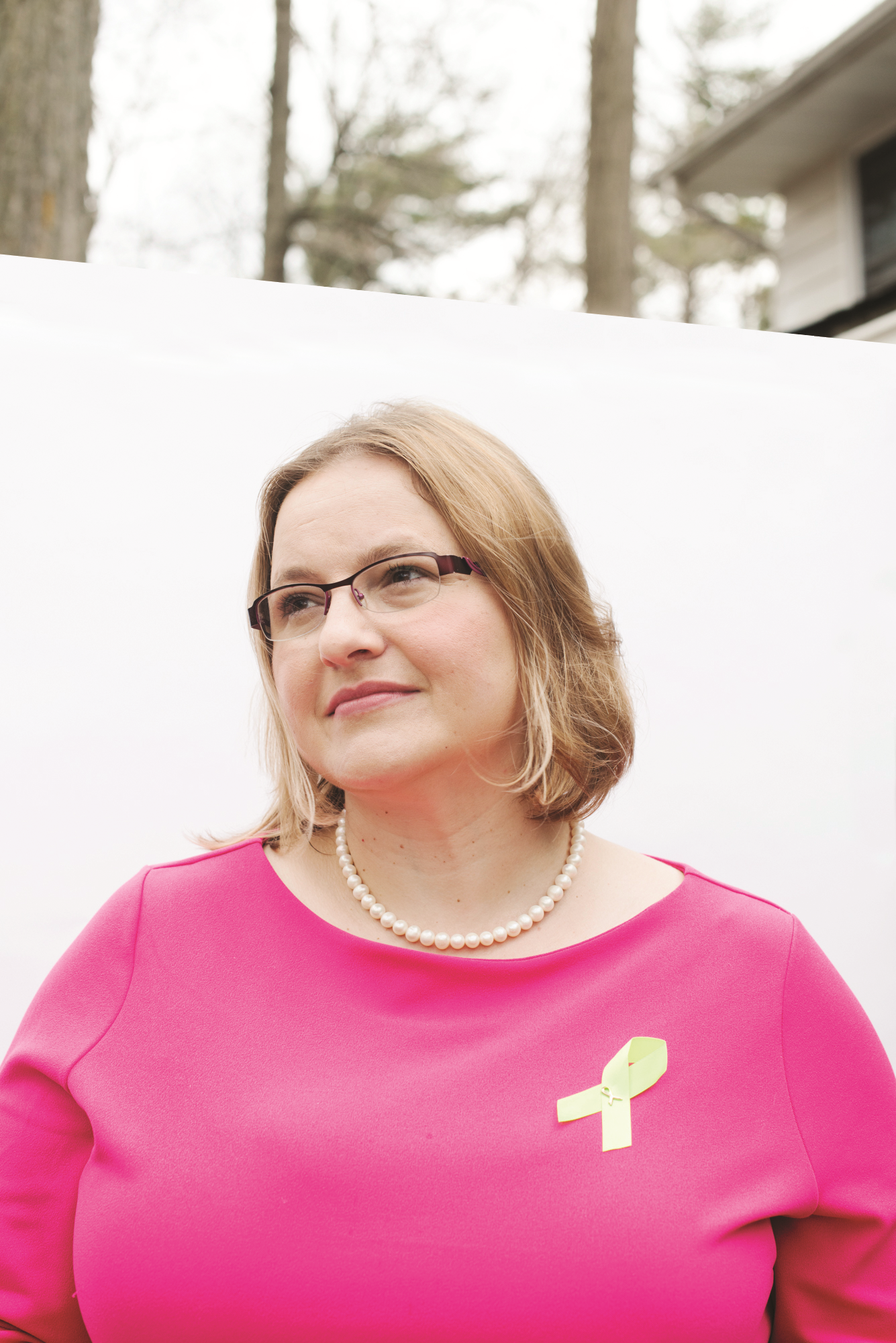
A group of Ontario women, including RN Sue Faber, have shared their experiences with Lyme disease in hopes they will raise awareness that women who have the disease may pass it on to their unborn children. Faber, a mother of three daughters, was diagnosed with Lyme disease in 2016, after more than 15 years of symptoms such as memory problems, coughing, migratory pain and profound fatigue. After her diagnosis, Faber began to wonder if her children also had the disease since they too struggled with health issues. “(My daughter Andrea) had cyclical fevers, failure to thrive, and rashes (that) would come and go,” she says. Once her daughter began antibiotics, the treatment for Lyme disease, her health improved. “It was like night and day,” Faber says. Subsequent testing revealed all three of her daughters had been exposed to the disease despite never being bitten by a tick, she says. Faber, along with other mothers, has launched a study to analyze the mother-to-child link. Read more about Faber’s ongoing advocacy in the May/June 2018 issue of RNJ. (CTV News, Jan. 20)
Ottawa RN leads efforts after bus tragedy
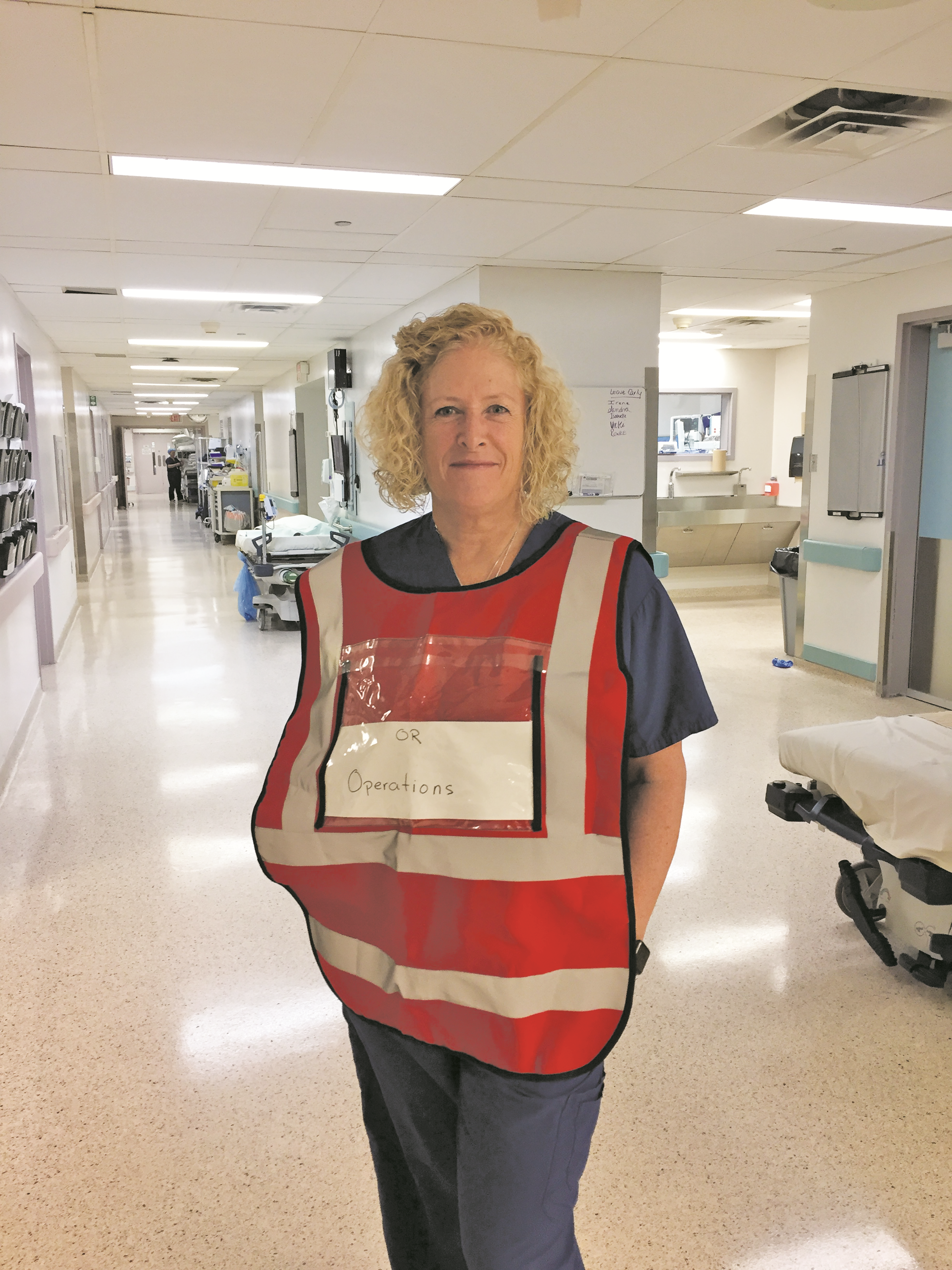
It was a race against the clock on Jan. 11 for Joanna Schubert, clinical manager for the Ottawa Hospital Civic Campus. A double-decker city bus had struck a transit shelter at Westboro station, near the Ottawa River, and seven people with severe injuries were taken to the hospital. As a clinical manager, Schubert is responsible for organizing the preparation of the hospital’s operating rooms (OR). She needs to have ORs staffed, equipped and ready for patients as they arrive. “We had to make sure we could accommodate the people from the bus accident, but also (others) if something else happened to come through the doors,” she says. Luckily, dedicated staff members called to inquire about coming to help out before Schubert had a chance to ask them. As a result, she had enough staff to run as many as eight ORs if necessary. “It takes a lot of teamwork to manage (this) kind of thing, and it was a privilege to have been part of something like (this),” says Schubert. (Ottawa Citizen, Jan. 17)
Bill 34 seeks to repeal green energy measures
RNAO’s Region 6 board representative Hilda Swirsky and senior economist Kim Jarvi appeared before a legislative committee Oct. 30 to offer recommendations on Bill 34, also known as the Green Energy Repeal Act.
The legislation will make it tougher for renewable energy projects to get approved. It also removes a provision that commits the province to meet its targets to reduce greenhouse gas emissions. The legislation has received royal assent.
To read more, visit RNAO.ca/Bill34submission
CIHI report finds Ontario spends less than other provinces on health
A recent report by the Canadian Institute for Health Information (CIHI) provides some revealing data when it comes to health spending. Ontario spends less on health, on a per capita basis, than other provinces across the country.
National Health Expenditure Trends, 1975 to 2018 was released on Nov. 20. It finds Ontario ranks last in provincial per capita health spending at $4,064 per person. That’s significantly lower than the rest of the country, where the figure averages $4,594 per person.
CIHI data also show that health-care cuts in Ontario are hitting the hospital sector especially hard. Over the last four decades, hospital spending dropped from 44 per cent of total health spending to 27 per cent. The result is that Ontario is the second-lowest per capita spender on hospitals, beating out only Quebec. Ontario sits well below the national average of $1,933 per person.
RNAO says the funding crunch has led hospitals to avoid filling 10,000 vacant RN positions, and to replace RNs with less qualified health providers. CEO Doris Grinspun says this data should serve as a wake-up call for Queen’s Park, which claims previous governments had a “spending problem.”
The evidence conclusively shows higher proportions of RN care are associated with lower mortality rates, fewer compli-cations, fewer hospital readmissions and greater patient satisfaction, Grinspun adds.
For more information, visit RNAO.ca/CIHIreport2018
Coroner’s inquest focuses on homelessness and addiction
Issues such as homelessness and addiction took centre stage at a coroner’s inquest that began at the end of November. The proceedings focused on the circumstances into the death of Brad Chapman, a 43-year-old father of three who died on Aug. 26, 2015 in downtown Toronto.
RNAO was a party to the inquest, which meant representatives from the association could ask questions of witnesses and make submissions. At the time of Chapman’s death, there were no sites offering access to supervised injection services (SIS) or overdose prevention services (OPS). Now, there are 18 sites operating across the province, with an additional three sites preparing to open. RNAO says such services are essential given opioids claimed the lives of 867 people in 2016, and 1,265 people in 2017.
Testimony during the inquest demonstrated huge cracks across multiple systems that failed Chapman, and didn’t adequately respond to repeated requests for help to find housing and support to treat his addiction.
For the latest on the outcome of the inquest, visit announcements and updates at RNAO.ca
RNAO member receives Oncology Nurse of the Year award
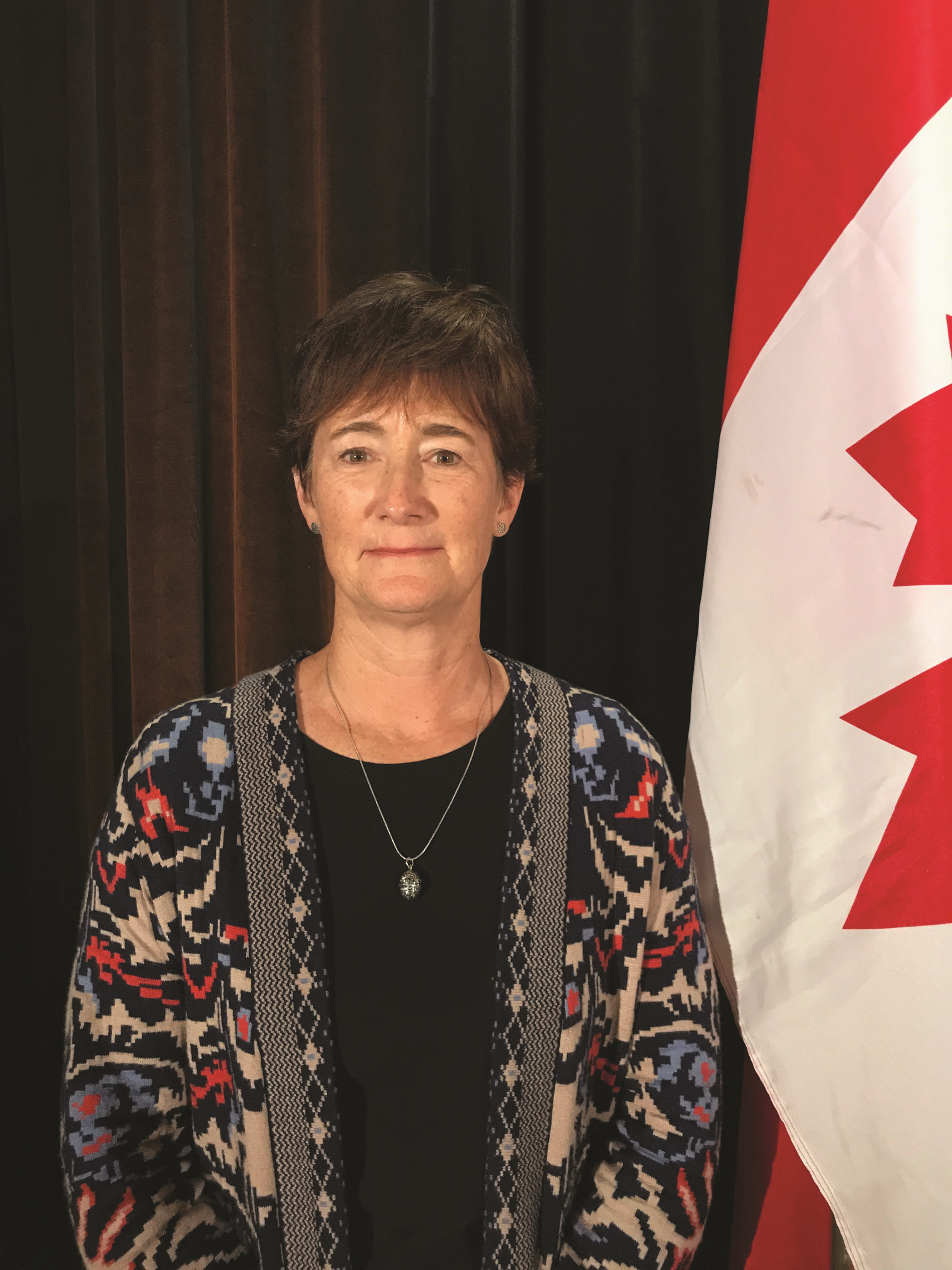
This October, Robin Morash was honoured with an Oncology Nurse of the Year award from the Canadian Association of Nurses in Oncology (CANO). Morash, who retired in June, says that receiving the award from her peers was a lovely way to finish her 35-year career. “It was very humbling. I was floored when I was nominated, and even more so when I won,” she says. “The timing couldn’t have been better.”
Morash began her career in Toronto General Hospital’s surgical oncology department in 1983. Cancer care at that time was often more about making terminal patients more comfortable, she explains. “In those days, cancer wasn’t a chronic disease. People died,” she says. “Back in the 80s, we treated the disease. You treat the whole person now.”
Morash found herself working in other nursing roles throughout her career, including advanced practice nursing, but found her way back to oncology, and specifically supporting patients dealing with bladder cancer. “When patients were diagnosed…I was the first nurse they met with to provide them with education and support,” Morash explains of her most recent role.
She isn’t sure what’s next, but Morash says she wants to continue volunteering with Bladder Cancer Canada. She also currently co-chairs a CANO special interest group on survivorship.
RNAO immediate past president joins CNO
Toronto Public Health Chief Nurse Carol Timmings, who was RNAO’s president from 2016 to 2018, will continue to help shape nursing practice in the province in her new role as the director of practice and quality at the College of Nurses of Ontario (CNO). The prominent nurse leader says she is exhilarated by the prospects of this next chapter of her career.
Timmings says she is looking forward to learning more about professional regulation and the college mandate of supporting quality practice within its primary goal of public safety and protection.
Timmings has been an active RNAO member for more than 20 years. She’s held several positions on the association’s board of directors, including member-at-large, administration, prior to becoming president-elect in 2015 and president in 2016. She has held a number of other advisory board positions with organizations such as Health Quality Ontario, the National Collaborating Centre for Determinants of Health, and the Ontario Public Health Association, as well as sharing her knowledge on expert panels for Ontario’s ministry of health.
Timmings says she cherishes the time she’s dedicated to being an RNAO board member. “RNAO has been a career highlight for me,” she says. Her advice as a nursing leader: get involved in your profession, engage on issues you care about, and have an impact on both nursing and health. “RNAO is a collective force, and the real heart of the organization is every RN, NP and nursing student in the province.”
CEO inducted into American Academy of Nursing
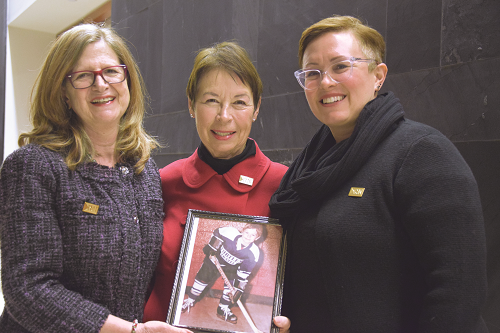
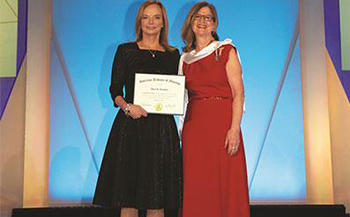
In November, RNAO CEO Doris Grinspun (right) was inducted as an honourary academy fellow of the American Academy of Nursing. Her induction was based on how her nursing career has influenced nursing practice, health policies and health care overall. Grinspun attended the formal induction ceremony in Washington, D.C. and is pictured with Academy President Karen Cox. “It was a humbling experience being recognized as one of 2,500 nurse leaders worldwide,” Grinspun says. “At the time of the induction, I had in my mind and heart those who have influenced my life, especially my family, my RNAO family, and friends. Without them, this high recognition would have no meaning.”