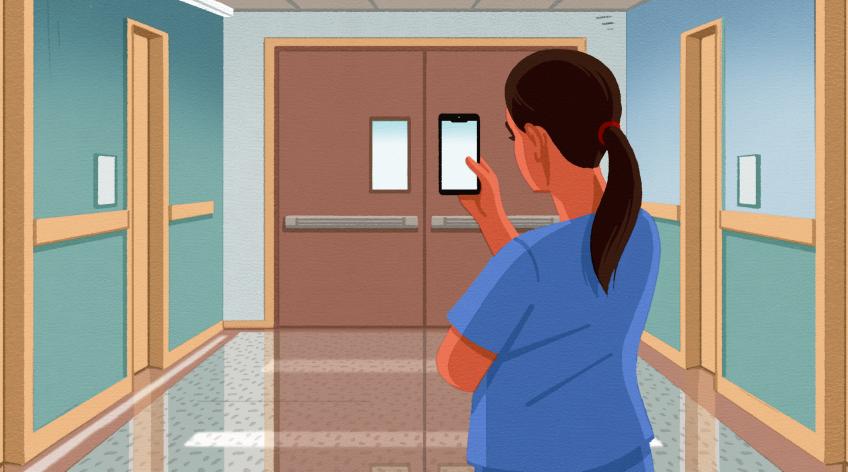
As a nurse in the digital age, I’ve seen a trend gaining popularity online. Scroll through social media long enough and you’ll see nurses posting rants or even memes about their patients.
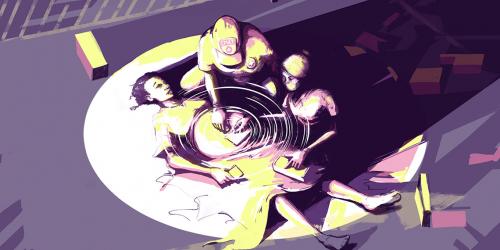
As the sun set on a stifling Port-au-Prince day in August 2021, a U.S. Coast Guard helicopter landed beside two others on the tarmac at the airport in the Haitian capital.

Before COVID-19, most people had a severely limited and incorrect perspective of the role nurses play in our health-care system. I too was misinformed before I entered nursing school five years ago.
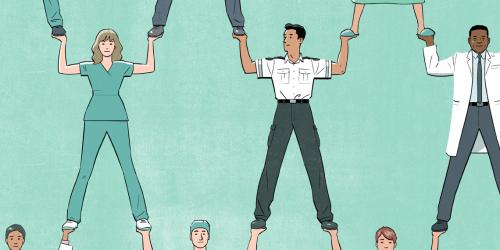
I had been a registered nurse for 10 years and was working in the emergency department of a 250-bed community hospital in Ohio on Christmas Eve.
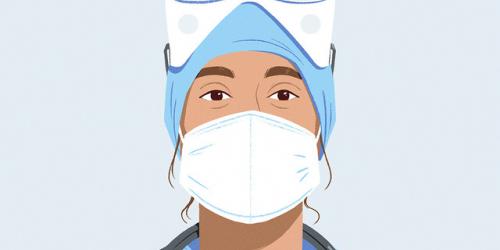
Draw up 100 mg of Propofol and 50 mg of Rocuronium. That’s a size 7.5 ETT, secured at 22 cm at the lips with a PEEP of 10 on 100 per cent.
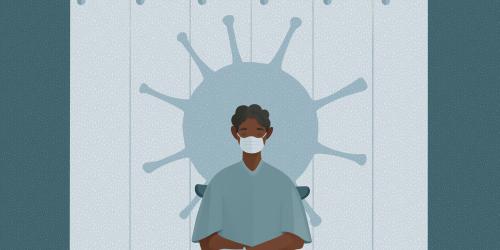
Right now, I’m scared. I’m a nurse and my job is to face the beast the rest of the world is hiding from. Tensions are high and I adopt the anxieties of others.
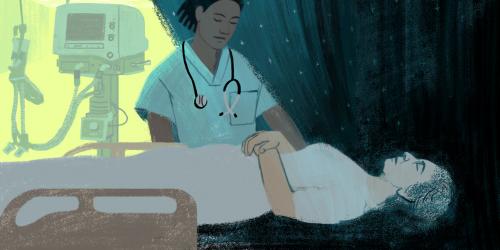
I always dreamed of nursing in a fast-paced ICU, but had not thought about the deaths I would encounter in my role. No one warns you about them, or how traumatic they can be.
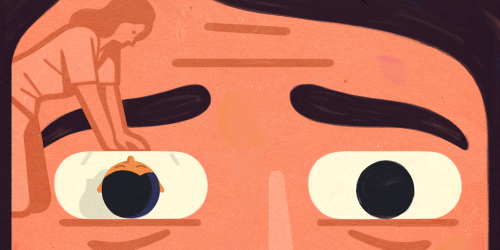
The speed with which I am compressing during CPR switches to the rhythm of the pop song playing on the clock radio by Tony’s* bed.
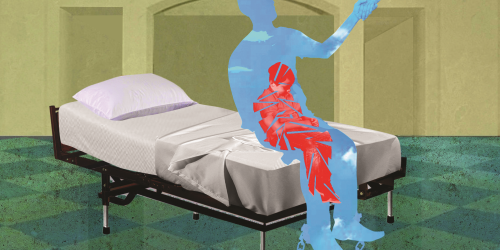
In 1989, i started working at a community detention centre as a correctional nurse. Up to then, I had 11 years of nursing experience, most of it in occupational health. Nothing prepared me for what I found locked away from society.
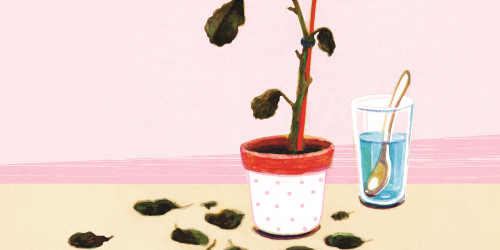
“Are you the nurse?” I heard a frail woman ask. I had just entered her room on the internal medicine ward. It was dark. “Yes, I am,” I replied, and gave her my first name. She told me her name was Donna.
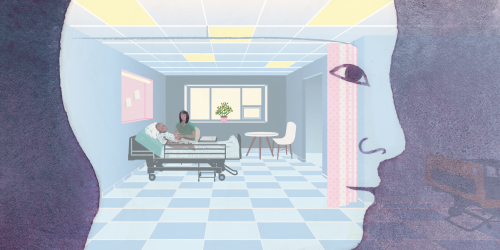
Everything I know about being a nurse I have learned from my family. My mother is a primary care nurse in an outpatient oncology clinic.